
What Is Day Trading? A Clear Guide to Intra-Day and Micro Trading


4
Day trading is the practice of buying and selling financial instruments within the same trading day. Also known as intra-day trading, this approach ensures that no positions are held overnight. All trades are typically closed before the market’s closing bell—4:00 PM for standard U.S. stock markets and 4:15 PM for E-mini futures markets.
This strategy appeals to traders who want to avoid overnight risk, such as unexpected news events or market gaps. By operating strictly within the same day, traders maintain tighter control over exposure and capital allocation.
Capital Requirements and Margin
Intra-day trading generally requires less capital than long-term investing because positions are not held overnight. Brokers provide what’s known as initial margin, allowing traders to control larger positions with smaller amounts of capital during the trading day.
However, the type of market you trade significantly impacts how much capital you need. Stocks, futures, and forex all operate under different regulatory frameworks, which directly affect accessibility for traders.
Micro Trading vs. Scalping: Understanding Short-Term Strategies

4
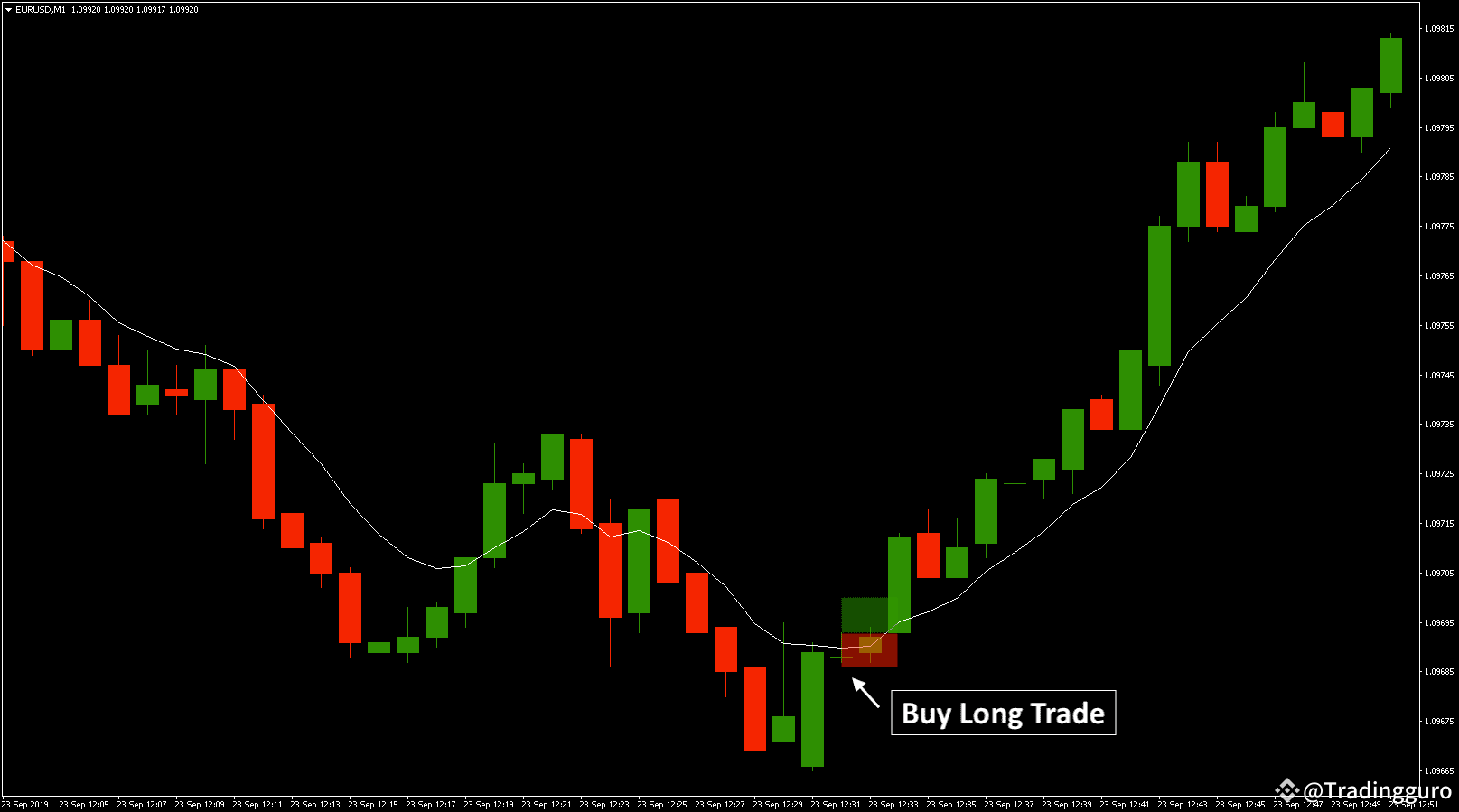
When trades are held for very short durations—ranging from one minute to a couple of hours—this style is often referred to as micro trading. The focus here is on minimizing risk exposure while capturing small, frequent opportunities in the market.
A closely related term is scalping, which involves taking profits from minor price movements. While the two are often used interchangeably, there is a subtle distinction:
- Scalping typically involves extremely fast trades, sometimes lasting seconds or minutes.
- Micro trading can extend slightly longer, potentially up to an hour or more, while still maintaining a short-term focus.
Both approaches require strict discipline and precise risk management. Since profits per trade are relatively small, traders must carefully control losses to maintain overall profitability.
The Pattern Day Trader (PDT) Rule Explained
For stock traders in the United States, regulatory requirements play a critical role. The Pattern Day Trader (PDT) rule, enforced by FINRA, applies to traders who execute four or more day trades within five business days using a margin account.
To qualify as a pattern day trader, those trades must also represent more than 6% of total trading activity during that period.
Key PDT Requirements:
- Maintain a minimum account balance of $25,000
- Applies specifically to stock trading in margin accounts
- Falling below the threshold restricts further day trading until the balance is restored
This rule is designed to limit excessive trading risk among retail investors. For traders who want to operate with smaller account sizes, this requirement can be a significant barrier.
Futures and Forex: Lower Capital Alternatives
Unlike stocks, futures and forex markets do not fall under the PDT rule. This makes them attractive options for traders who prefer to start with smaller deposits while still engaging in active intra-day trading.
These markets offer:
- Lower capital entry requirements
- High liquidity
- Extended trading hours
Because of these advantages, many traders choose futures or forex to implement micro trading strategies without being constrained by regulatory capital limits.
Final Thoughts
Day trading, whether through intra-day strategies or micro trading techniques, is built around speed, discipline, and risk control. Understanding the differences between trading styles and regulatory requirements is essential for choosing the right market and strategy.